On a long holiday, and especially in those first few weeks, when you’ve had just enough time to forget about everyday routines and responsibilities, there’s time to look around with fresh eyes, and take a new interest in the world.
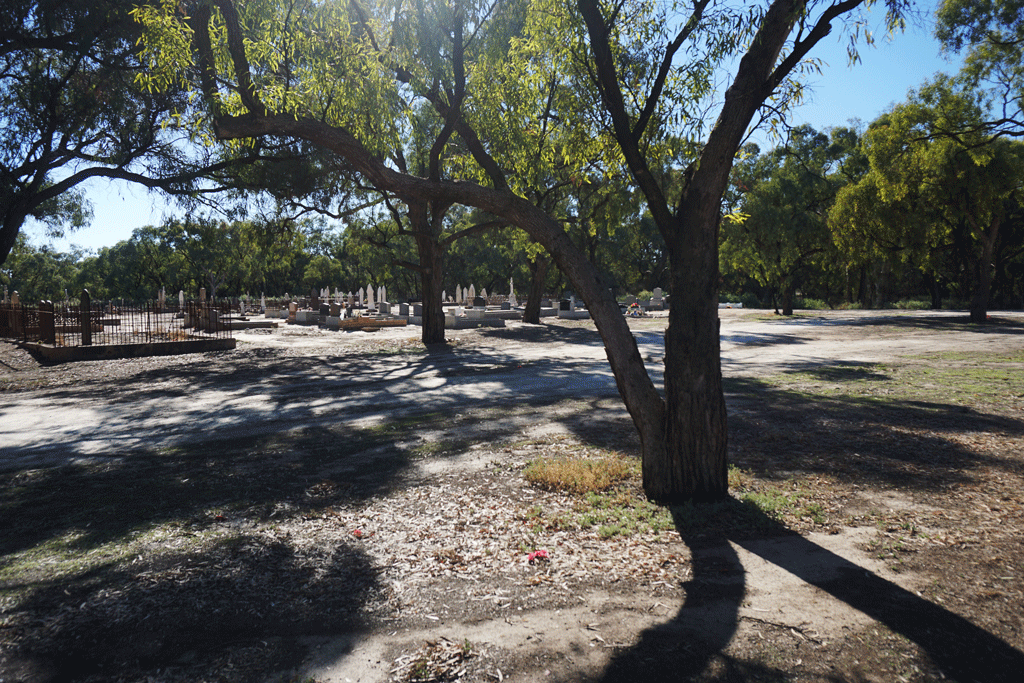
That’s what happened for us after we spent a night camped by the junction of the Darling and Murray Rivers at Wentworth, NSW. We found ourselves drawn to spend some time in the cemetery there, observing and mulling over the stories and images conjured by the old headstones.
We had just visited Mungo National Park, where we were awed by the story of Aboriginal occupation of the land, for the last 42,000 years! Mungo Man and Mungo Lady are some of the oldest human remains in the world, and Mungo Lady is the oldest known cremation in the world!
So the Wentworth Cemetery seems positively mundane against that context but the stories of the people buried there still captured our imaginations.
In the warm dry winter sun, we had time to wander about, enjoying the quiet, still world and the glimpses of the early European experience here.
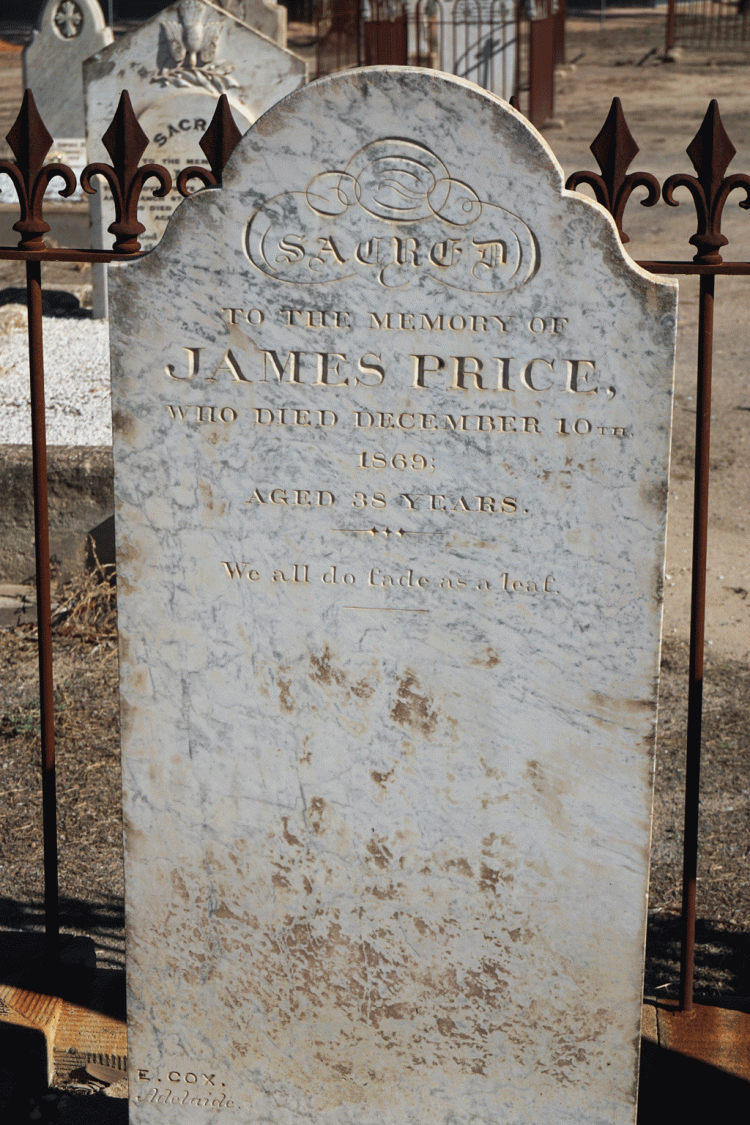
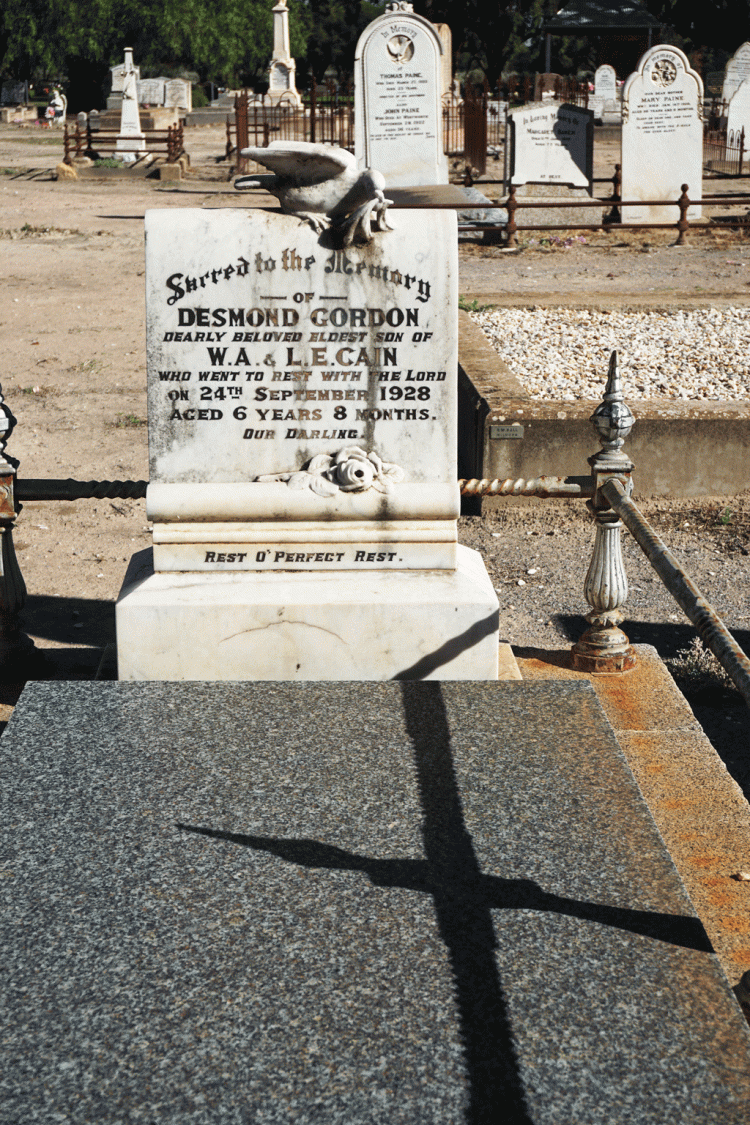
The epitaphs were touching, sometimes poetic, direct or evocative. Some epitaphs expressed the raw emotions of those left behind, while others were dry and matter of fact. Also interesting were the changes in style of ornamentation on the headstones. We captured but a few.
In this dry, flat arid environment, I found the simple words about David Dixon Crichton, “Native of Scotland”, especially sad. I wondered, had he longed for the damp and cold of his homeland, or had he, like my own grandfather who had been a Scottish migrant, revelled in the conditions and freedoms of the new land.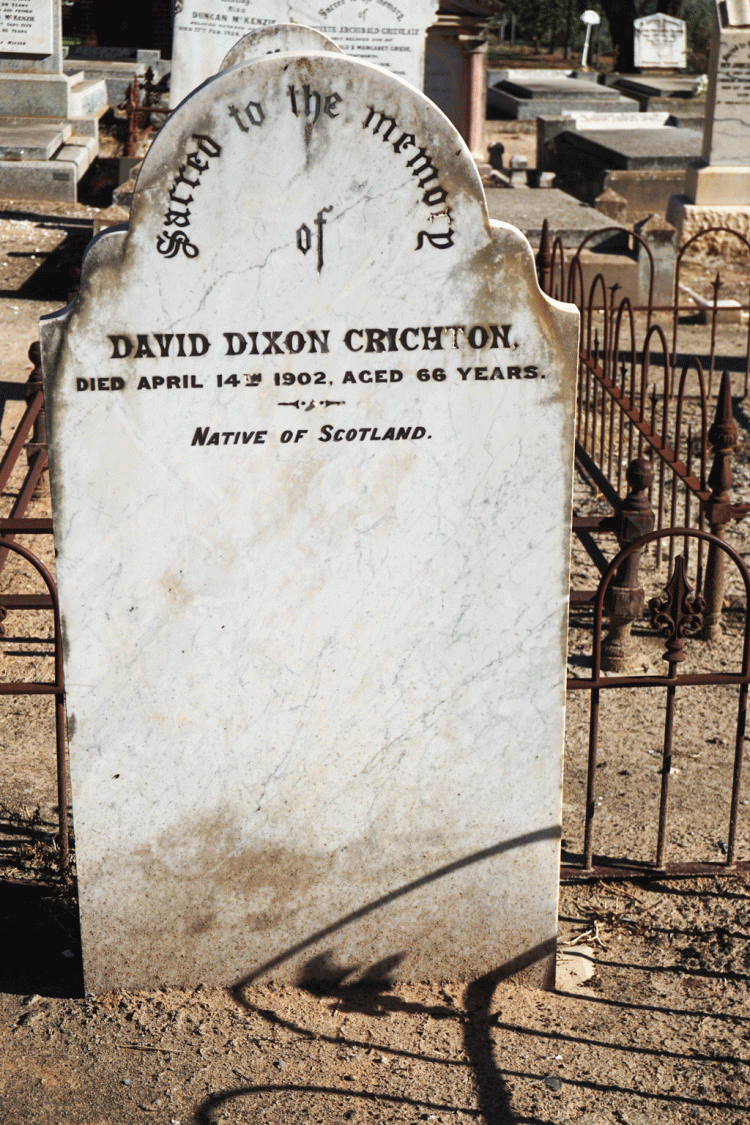
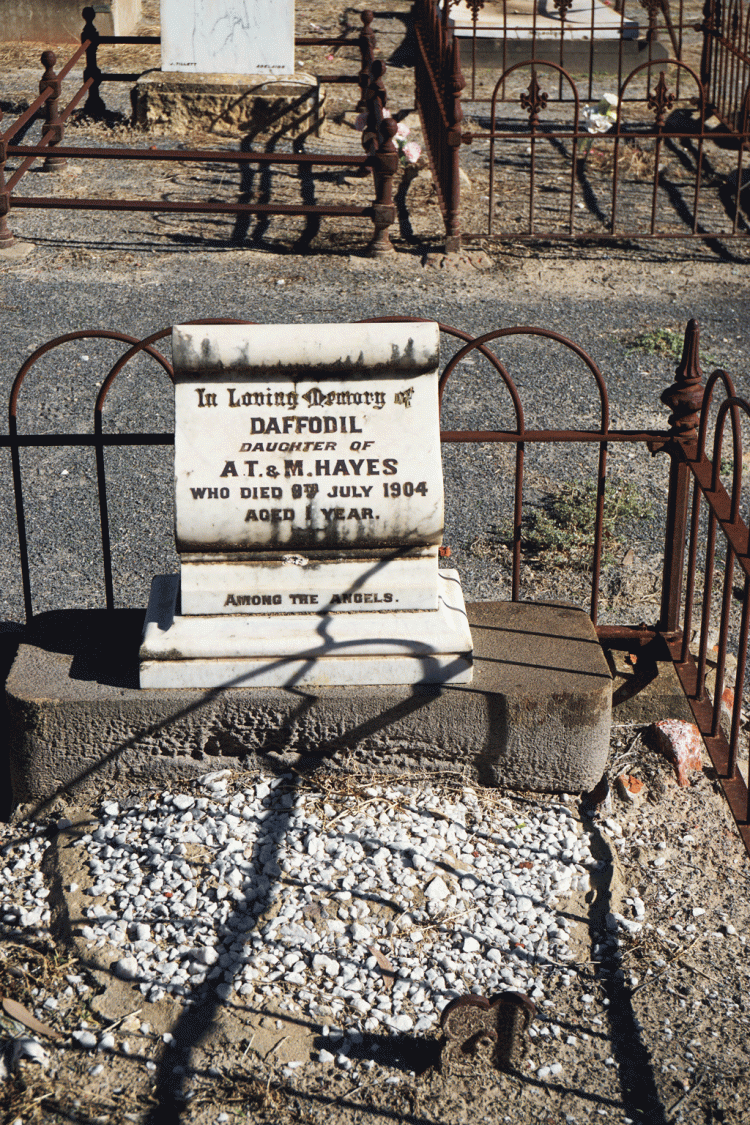
When at a cemetery it’s always the plight of small children that is most touching and the gravestone of little Daffodil was one that moved me. The contrast between the image her name evokes and her early passing, recorded on that old stone is striking!
 For many, comfort is found in biblical quotations and I enjoyed “O Grave, where is thy victory”. Following Google’s path, to find out more about the origin of these words led me to Handel’s Messiah and John Donne’s poem ” A Valediction, Forbidding Mourning”, a lovely step back into my high school English studies.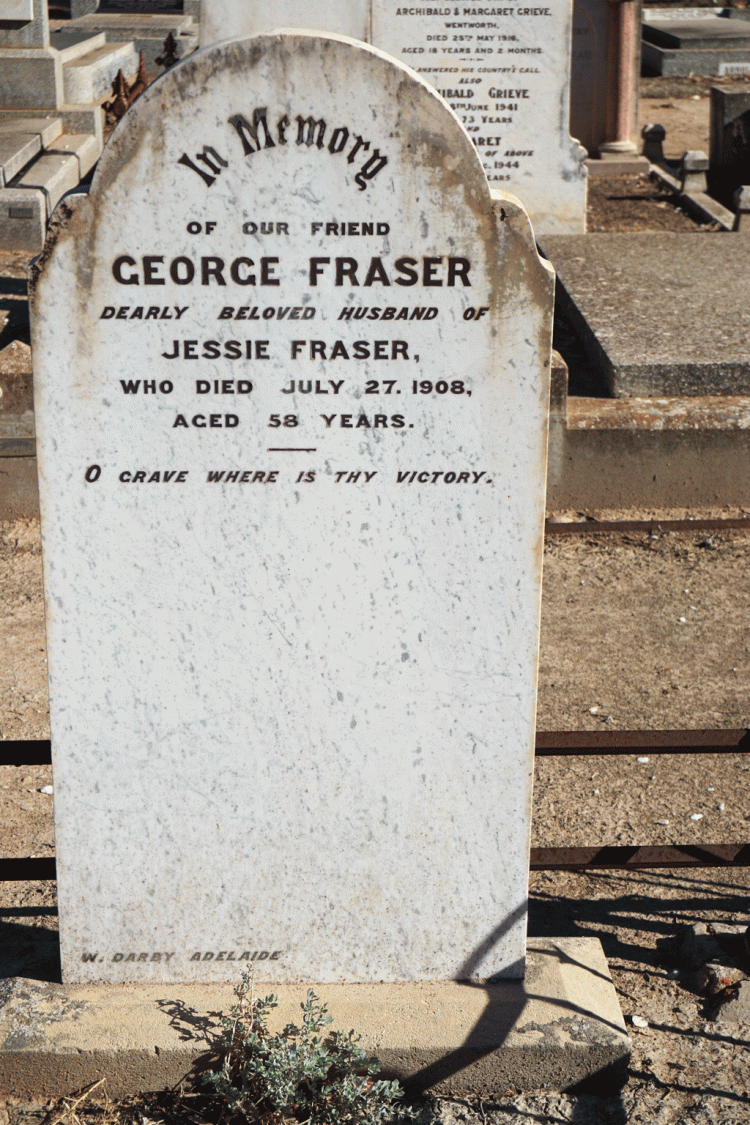
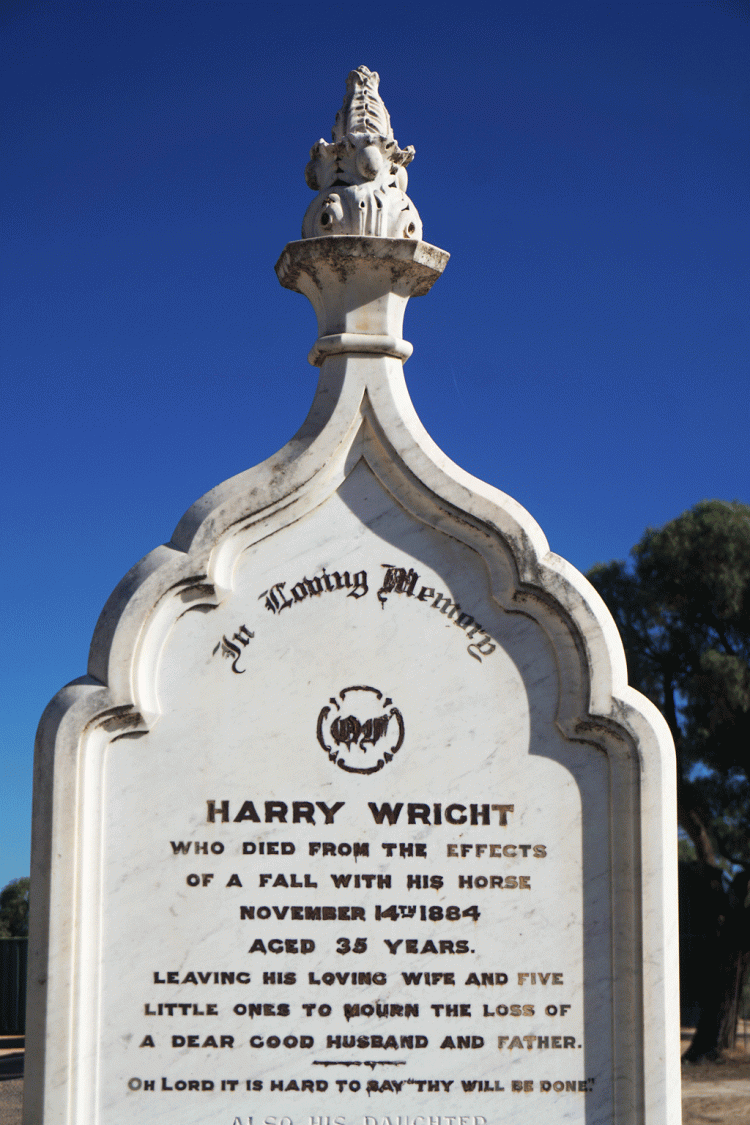
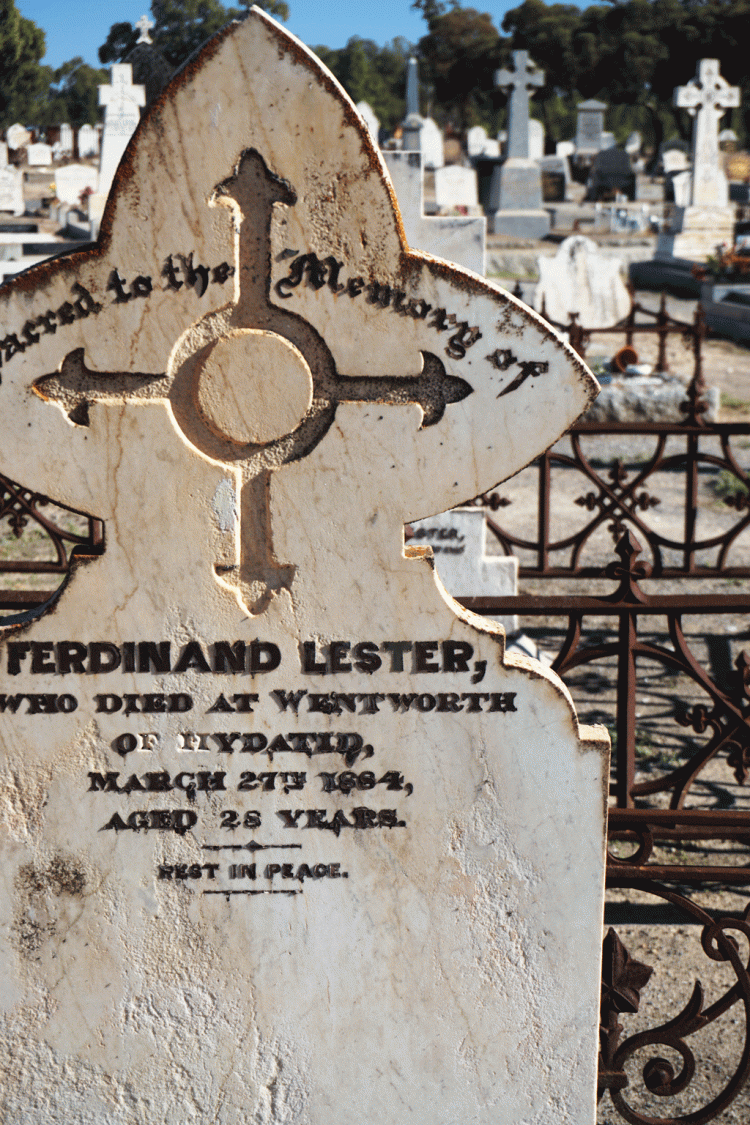
Accidental death is as common now perhaps, as then, but I was glad that we don’t hear of death from Hydatid these days, while I wondered what became of Harry Wright’s loving wife and five children.
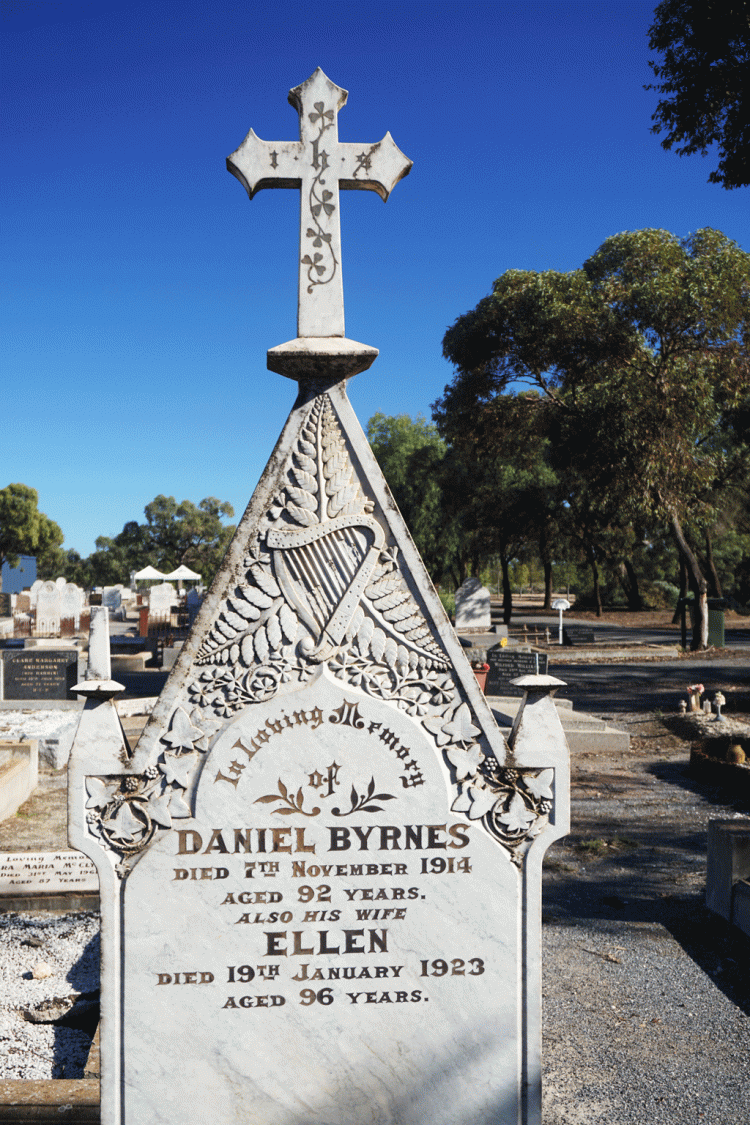
Daniel Byrnes and his wife Ellen both lived until they were in their nineties, and I liked that idea that their family celebrated their long life with some lovely, ornate carvings.
And I imagined Isobel Jean Summerton, who died in 1970, might have been a strong, austere woman, with a practical family, who planned a memorial that would not fade quickly.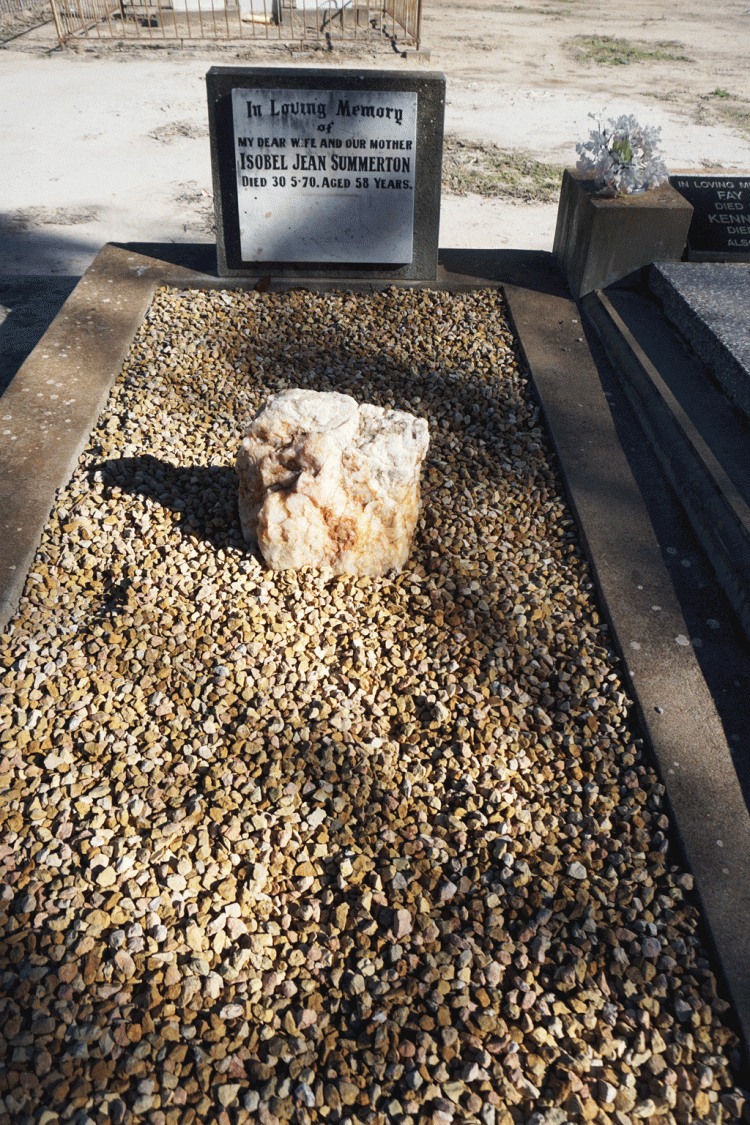
Some stories are lost to time, but hints remained, inviting reflection on those who lived here before.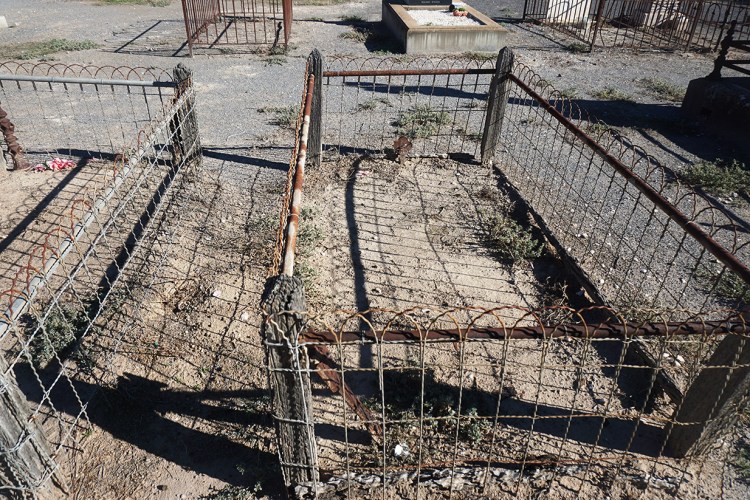
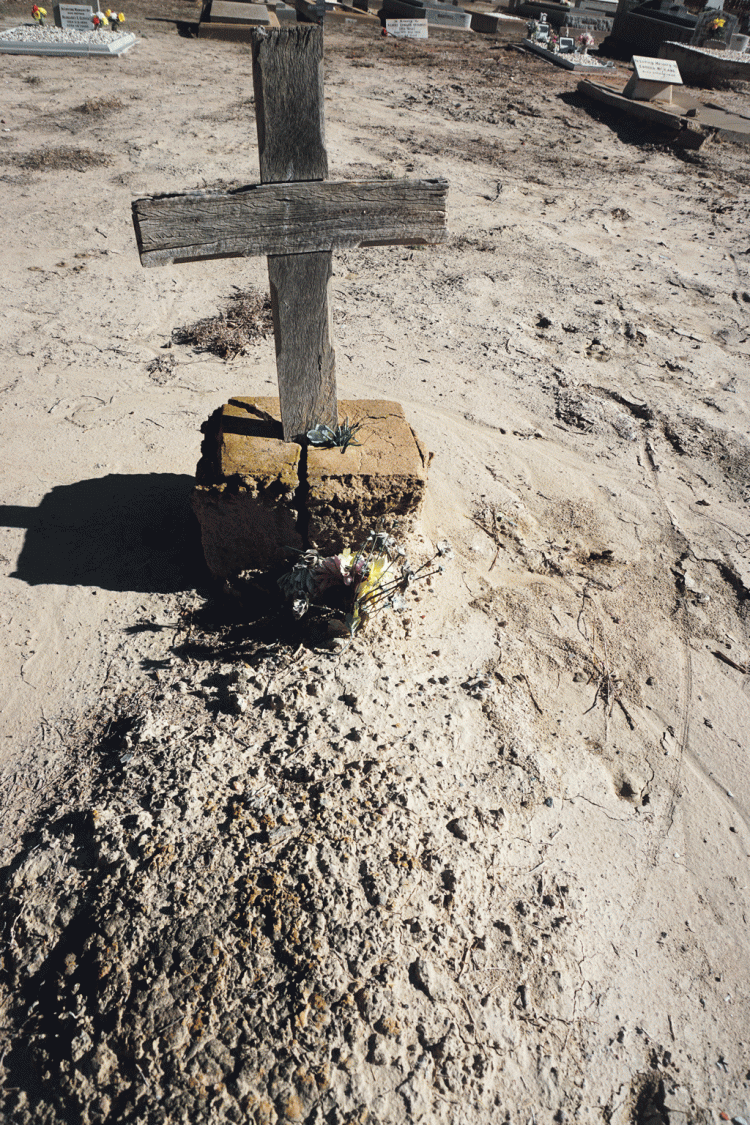
We wandered away after finding much to enjoy in this old cemetery by the banks of the Murray River.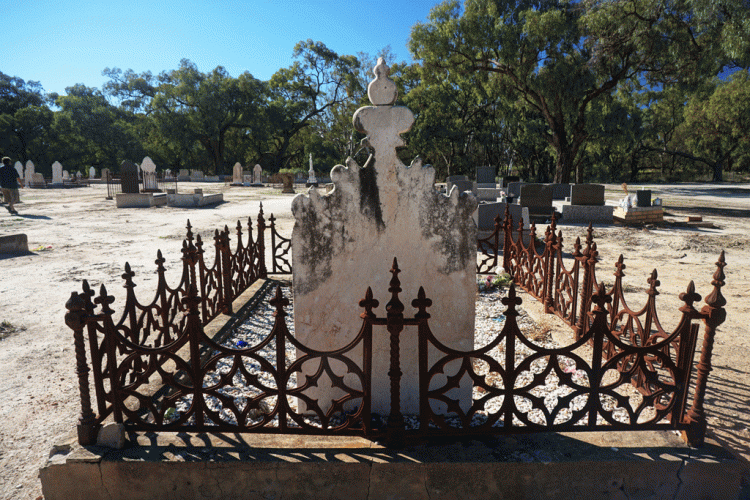


Your words capture powerfully the humanity of all these departed. I love your photos of the white marble headstones and the carving which the stone makes possible.
LikeLike
Thankyou, it was nice to reflect on the experience as I looked again at the photos. There’s a possibility that old inland cemeteries might become an addiction.
LikeLike