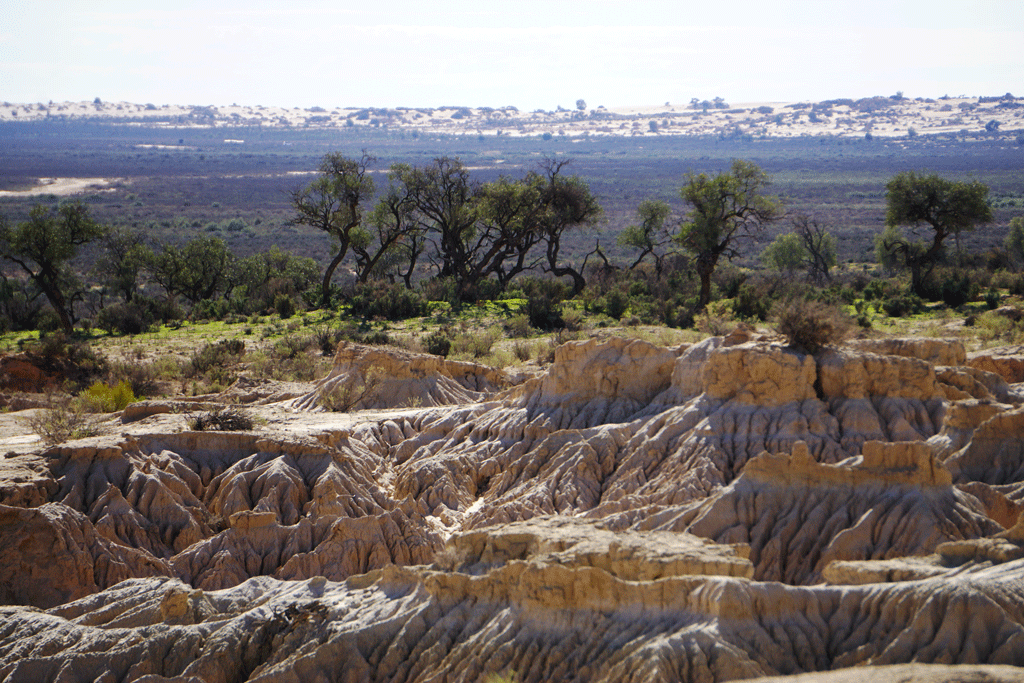
In 2010 we had spent some time visiting Broken Hill, Menindee Lakes and Mutawintji National Park. It was a season of flooding across NSW and we left the soggy east coast looking forward to sun and dry feet. Along the way, the rain had paused and in some rivers, floodwaters were receding, leaving debris across roads and paddocks, while in others water still rose higher. Bird life was abundant.
We had looked forward to being back in the outback since then, although we knew that the seasons were changing and the drought since had been unrelenting. So in May this year we set off and after visiting the Goulburn River National Park, our next destination was Lake Mungo.
We were enticed by what we had read of Mungo National Park, part of the Willandra Lakes World heritage Area, with its deep Aboriginal history.
Approaching from Balranald and the Murrumbidgee River the red earth was intense and mallee trees shimmered in the sunlight. From here, and throughout the rest of our journey, the colours of earth, rock, vegetation and sky were entrancing.
Sometimes muted earth tones predominated, or warm pastel hues or vibrant reds and greens, each environment held its own magic.
Disastrous drought is pervasive across NSW, yet we were sheltered from the shock of its severity, as some rain had recently fallen around Mungo. In places there were puddles of water by the roadside and soft green shoots were sprouting.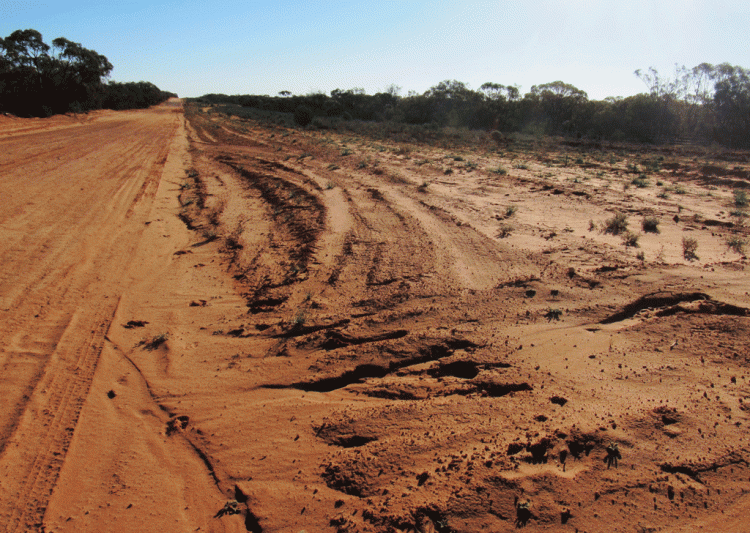
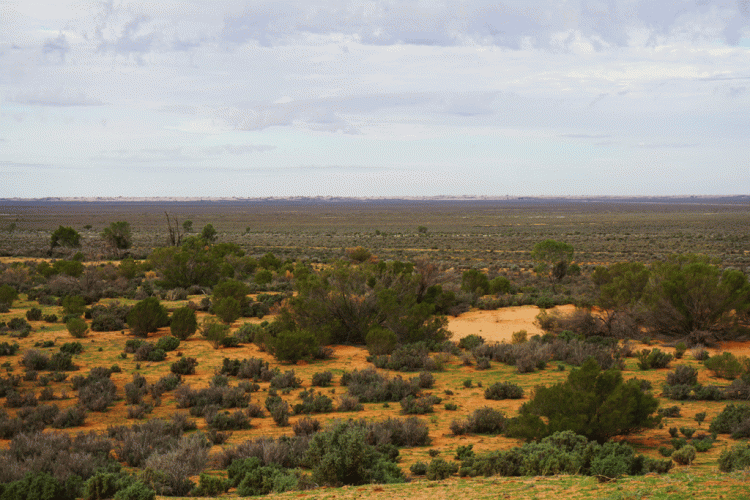
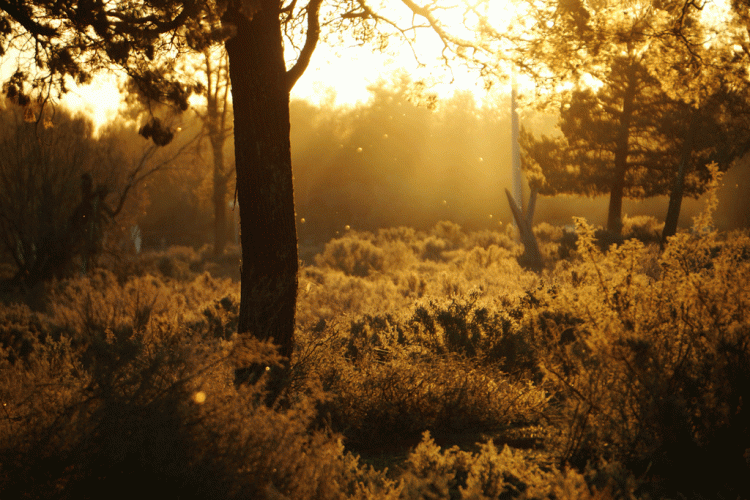
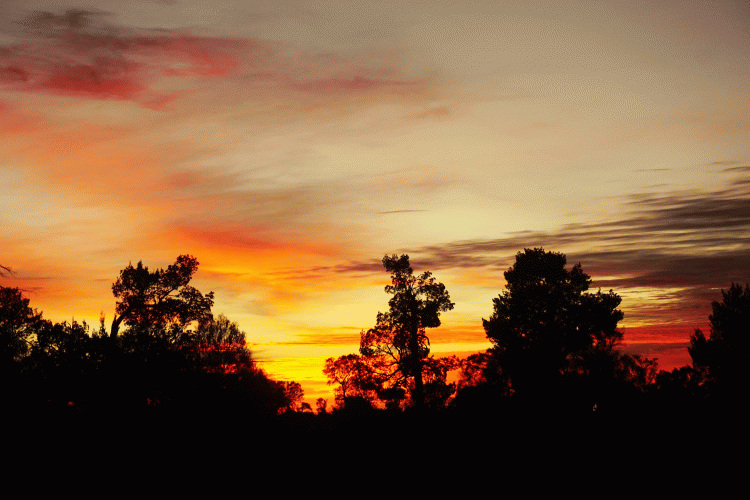
The soft sunset of our first evening at Main Camp.
Early morning walks.
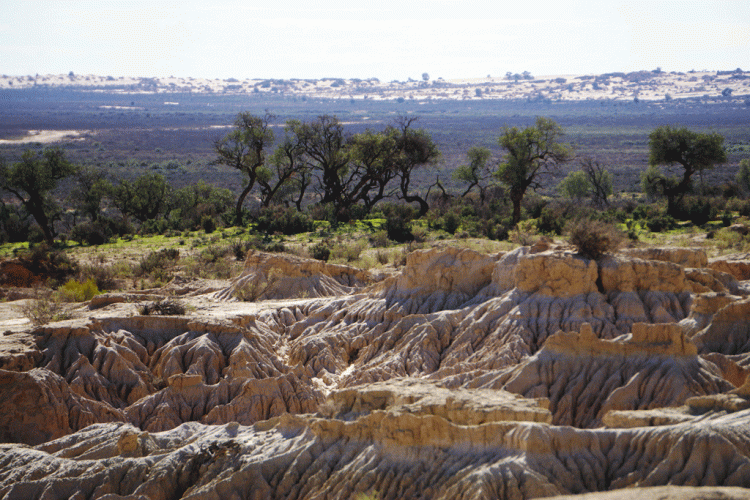
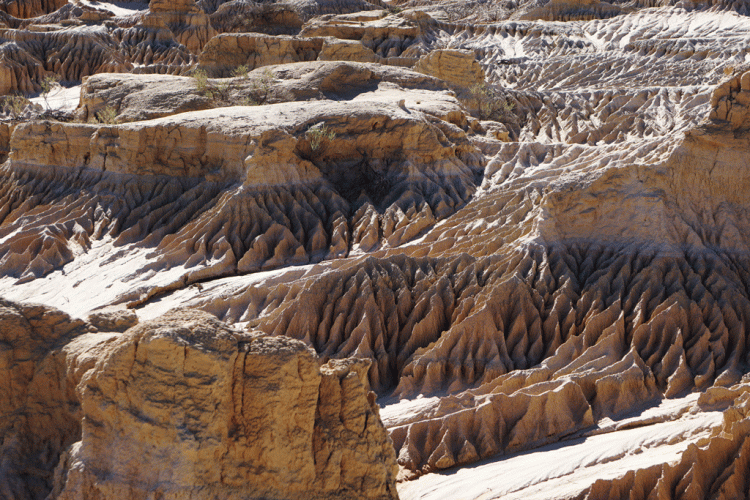
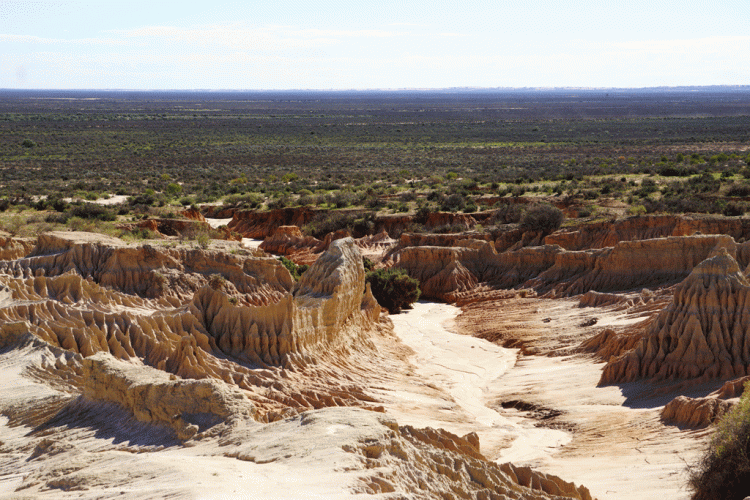
Slow erosion of the dunes surrounding the bed of the ancient lake is revealing much evidence of the ancient connections the The Paakantji, Ngyiampaa and Mutthi Mutthi people people have to the land. Days can be spent wandering and observing this amazing landscape in all its details. Warm winter days are perfect.
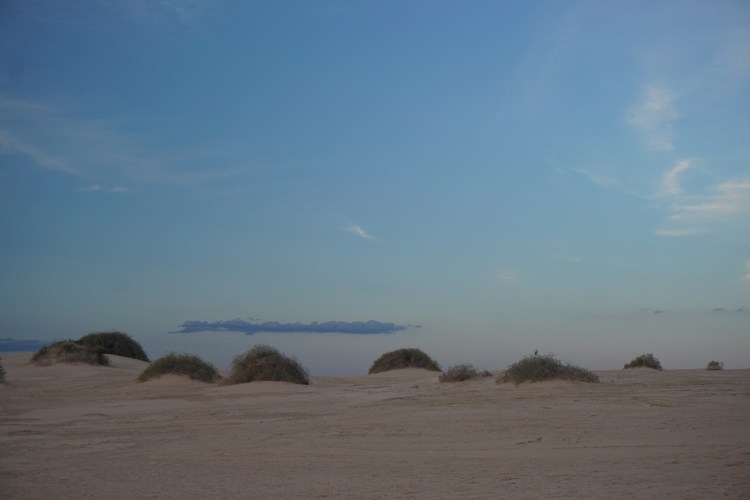

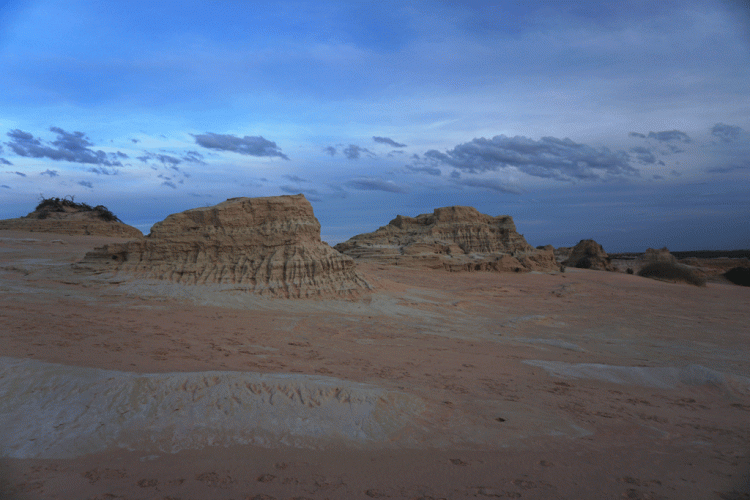
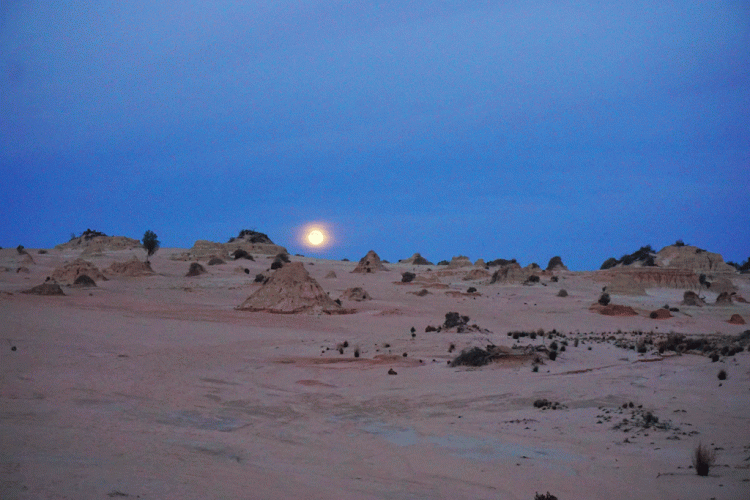
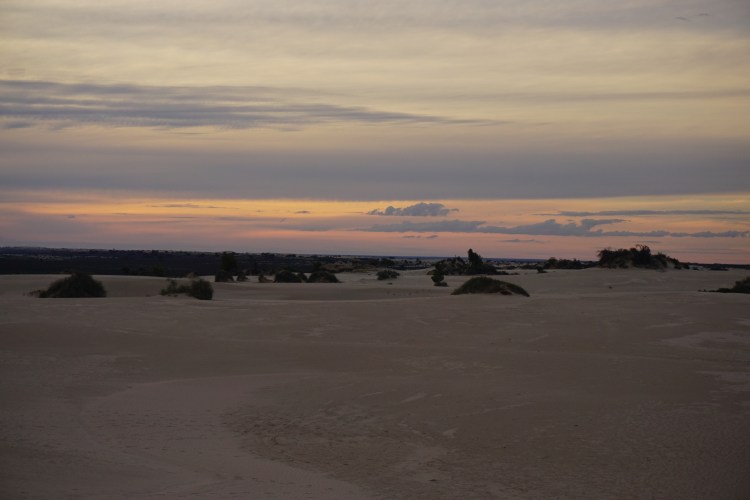
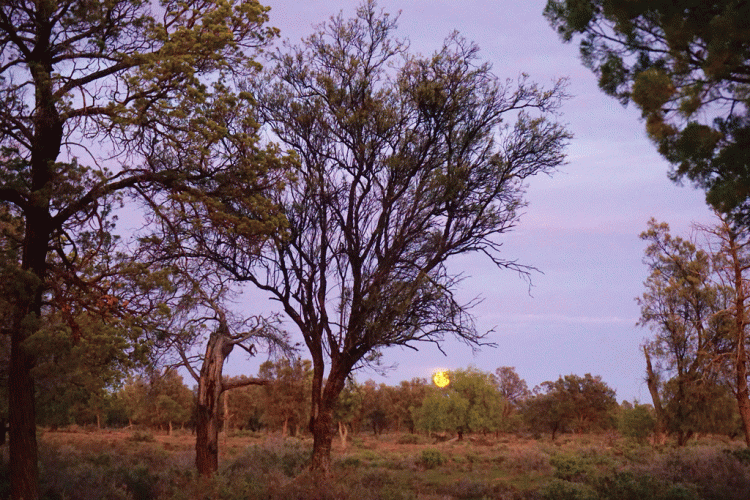
A full moon rose on the evening I joined an Aboriginal Discovery Tour, allowing a closer look at “The Walls of China”, an unforgettable experience.
There is also a rich layer of European history to consider in this ancient lake bed.
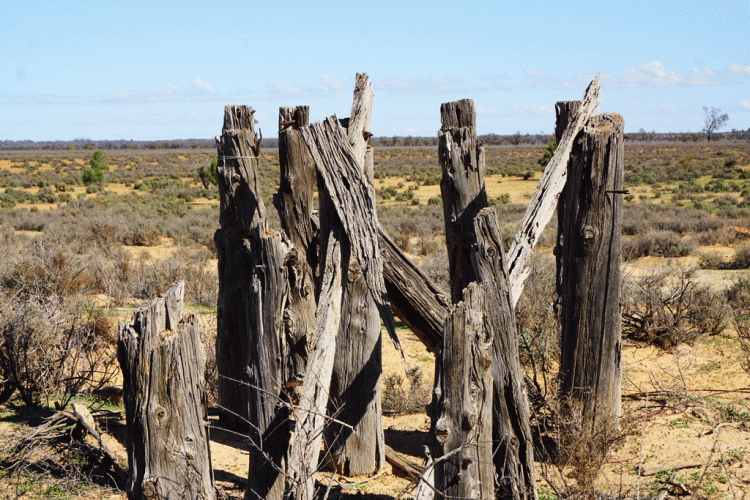
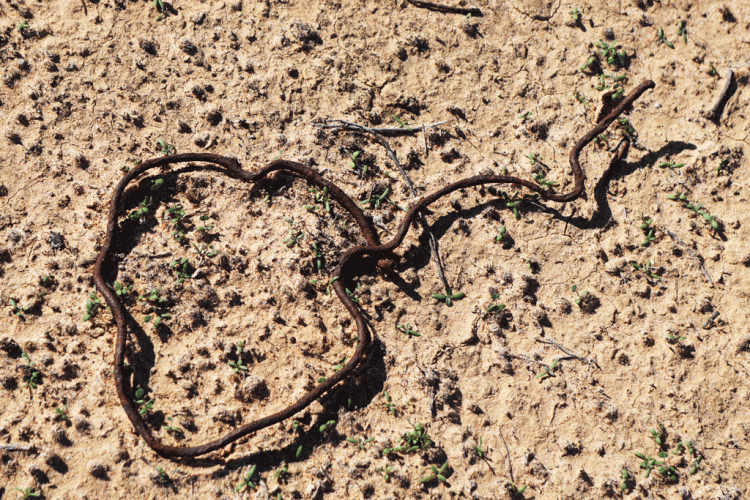
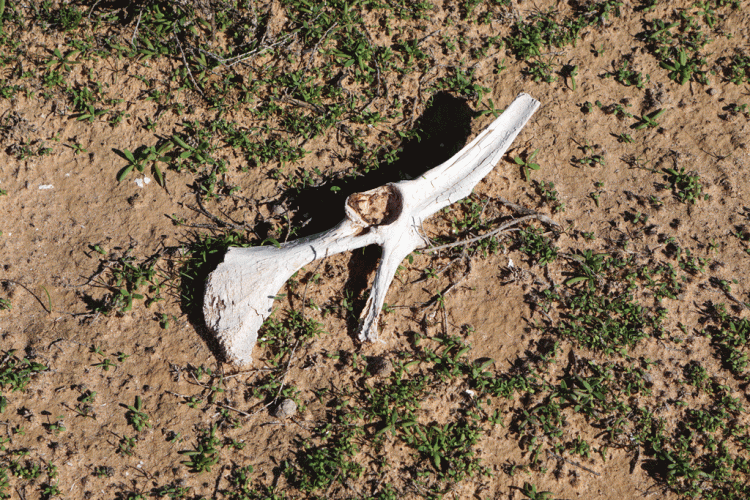
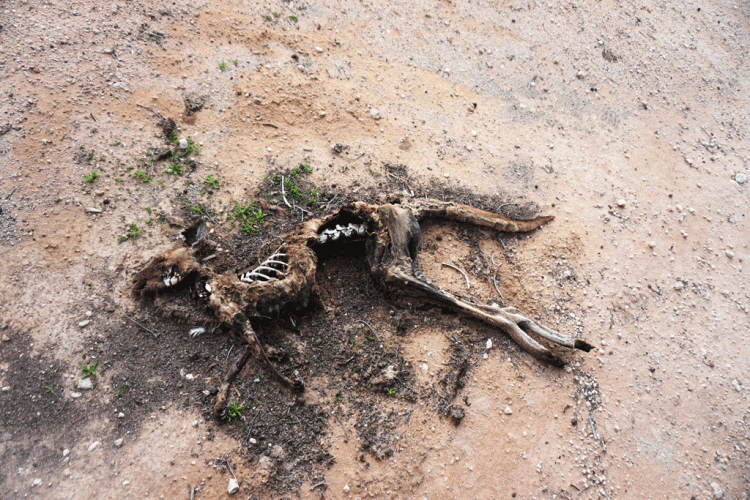
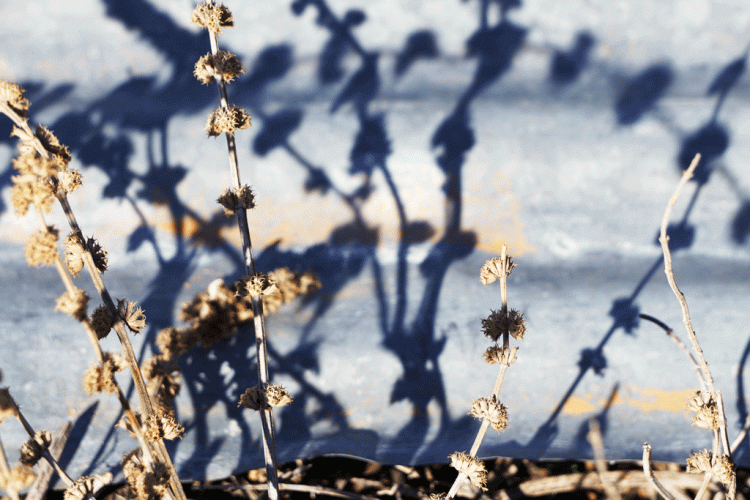
Such a dry , open landscape leaves many visible signs of the harsh realities of life here. It’s hard to believe that the terrible sight of animals that had died of starvation and thirst would be repeated, thousands of times, as we travelled.
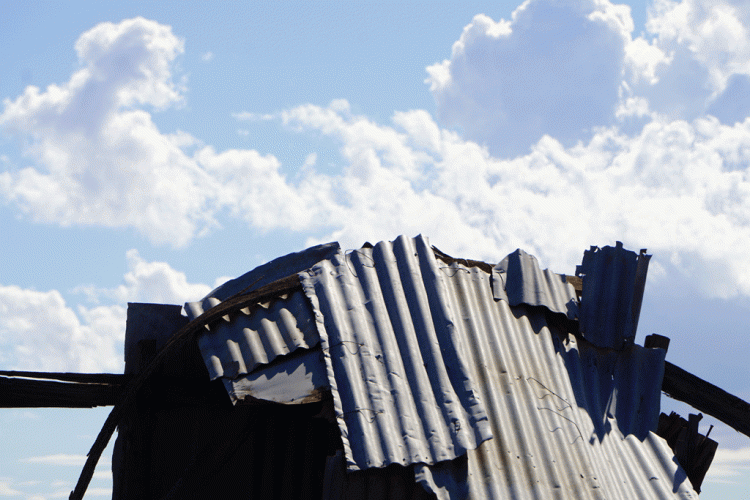
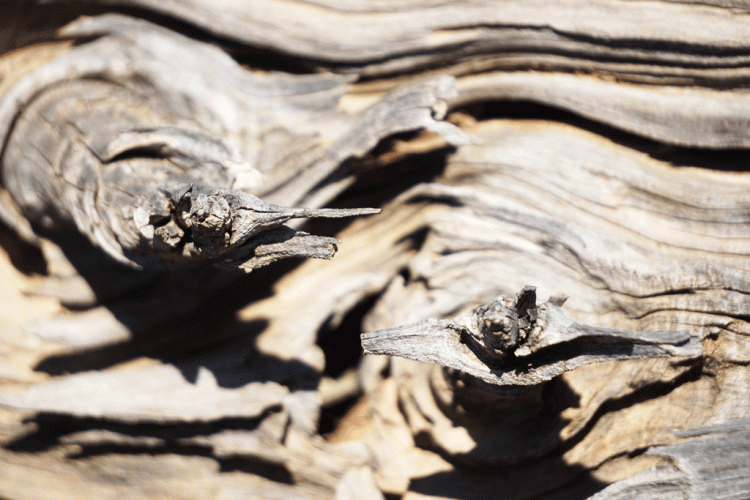
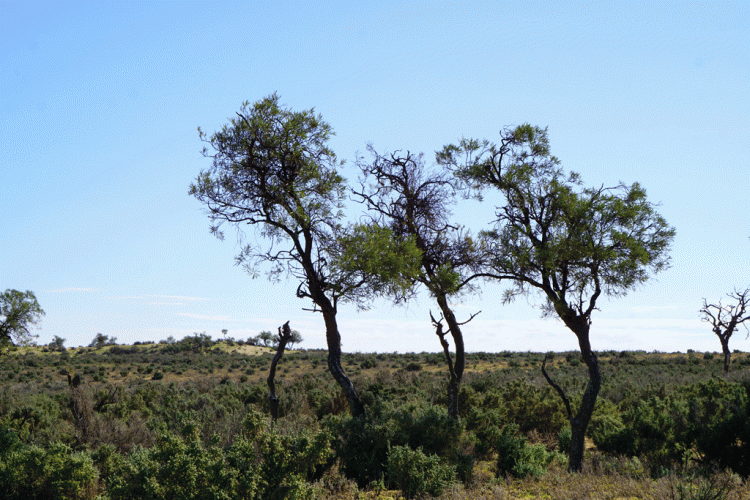
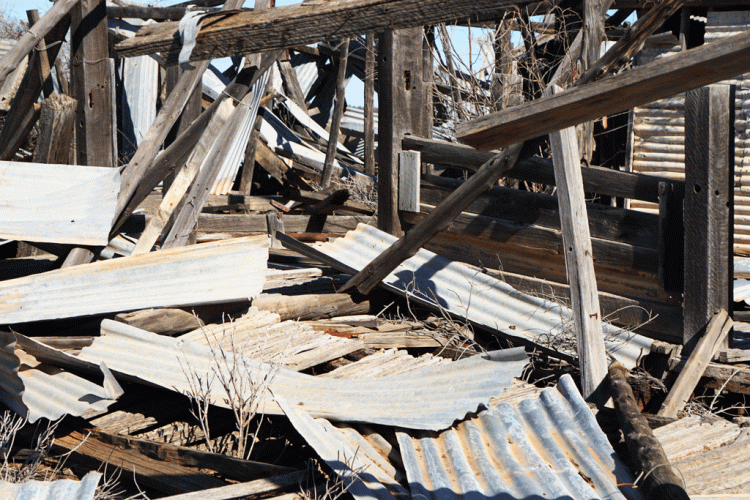
After a few days, we left Mungo behind, but to return is essential, as there is much more to explore and learn in this remote and beautiful landscape.
 Leaf Twig Stone
What a journey- interesting words and brilliant photos- wow! You have really captured the intense desert landscapes- the skies, the light and all the colours, many of which seem to be quite unique. I need to go to Lake Mungo.
LikeLike
Thanks. I think you’ll love it there.
LikeLike
Thank you for this magical vicarious journey through Mungo National Park. I wanna go!
LikeLike
Thankyou, I hope to go back. Wasn’t sure if my link would work.
LikeLike